
Elige una opción
Continuar como invitado
Los usuarios invitados solo tienen acceso a 3 test gratis y no podrán acceder a las explicaciones de las respuestas fallidas
Como usuario registrado
Los usuarios Registrados tienen acceso a 3 Test gratuitos y podrán ver explicaciones a las respuestas fallidas
Sólo los usuarios registrados pueden ver las explicaciones de las preguntas falladas. Registrarse es gratis.
Examen Diagnóstico para Nuevos Alumnos 3
Si es tu primer examen, prueba las preguntas más sencillas de la DGAC. ¡Toma confianza!
What is the best barrier between metal and corrosion? (18741) REF.: FAA-H-8083-30, p. 6-19

📌 Hint: The best protection is a continuous protective coating over the metal.
✅ A GOOD PAINT FINISH.
A good paint finish is one of the best barriers between metal and corrosion because it helps isolate the metal surface from moisture, oxygen, and contaminants. If the finish is damaged, corrosion can start more easily.
Las explicaciones son para usuarios registrados.
What is the meaning of the word helicopter that comes from Greek? (18982) REF.: AC 65-15A, p. 49

📌 Hint: Break the word idea into helix + wing: a wing that rotates.
✅ HELICAL WING OR ROTATING WING.
The word helicopter comes from Greek roots meaning helical or rotating wing. This fits the aircraft design because lift is produced mainly by the rotor blades, which act like rotating wings.
Las explicaciones son para usuarios registrados.
SI LA INSTALACIÓN DE UN LASTRE PERMANENTE NECESITA APROBACIÓN, ¿CUÁNDO SE DEBE OBTENER ESTA APROBACIÓN? (6524) REF.: FAA-H-8083-30, PÁG. 4-23, PÁR. 5
📌 Pista: toda modificación que afecte peso y balance debe estar aprobada antes de volver a operar.
✅ ANTES DE RETORNAR LA AERONAVE AL SERVICIO.
Si la instalación de un lastre permanente requiere aprobación, esta debe obtenerse antes de retornar la aeronave al servicio. Esto es necesario porque el lastre modifica el peso y balance, pudiendo afectar el centro de gravedad, la estabilidad y la seguridad operacional.
Las explicaciones son para usuarios registrados.
Los Exámenes Gratuitos muestran el 20% de las preguntas del examen oficial. Los usuarios con Cuenta Premium podrán acceder al listado completo de preguntas.
What must be avoided when using mechanical cleaning material? (18800) REF.: FAA-H-8083-30, p. 6-25

📌 Hint: Mechanical cleaning can help, but too much abrasion can damage the aircraft’s surface protection.
✅ DAMAGE TO THE FINISHES AND SURFACES.
When using mechanical cleaning materials, it is important to avoid damage to finishes and surfaces. Abrasive pads, brushes, or wool can remove dirt and corrosion, but if used incorrectly they may scratch, wear, or damage protective coatings and aircraft surfaces.
Las explicaciones son para usuarios registrados.
¿POR QUÉ ES IMPORTANTE EL CONTROL MÉDICO REGULAR DEL PERSONAL DE MANTENIMIENTO DE AERONAVES? (11645) REF.: CIRCULAR OACI 253-AN/151, PÁGINA 28, PÁRRAFO 3.24.CIRCULAR OACI 253-AN/151, PÁGINA 28, PÁRRAFO 3.24.
📌 Pista: en estas preguntas, cuando una opción reproduce una expresión del texto como “creciente correlación”, normalmente esa es la más precisa.
✅ POR LA CRECIENTE CORRELACIÓN ENTRE SEGURIDAD DE LA AVIACIÓN Y PERFORMANCE DE LOS TÉCNICOS.
El párrafo 3.24 señala que, aunque rara vez se exige examen médico regular a los técnicos, debido a la creciente correlación entre la seguridad de la aviación y la performance de los técnicos de mantenimiento, resulta oportuno considerar ese control médico. Esa redacción coincide literalmente con la alternativa A. La D se parece, pero omite la idea clave de “creciente correlación”, por eso es menos exacta.
Las explicaciones son para usuarios registrados.
Los Exámenes Gratuitos muestran el 20% de las preguntas del examen oficial. Los usuarios con Cuenta Premium podrán acceder al listado completo de preguntas.
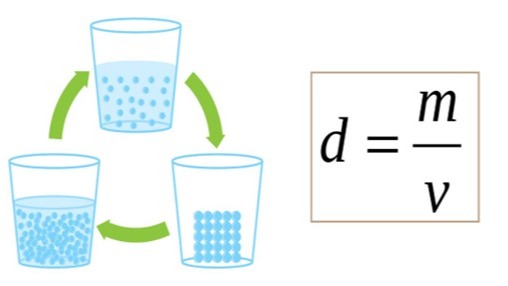
WHAT IS THE DENSITY OF A SUBSTANCE? (18653) REF.: FAA-H8083-30, PAGE 3-2.
📌 Hint: Density connects weight with the space occupied.
✅ IS ITS WEIGHT PER UNIT OF VOLUME.
The density of a substance is its weight per unit of volume. In simple terms, it tells how heavy a material is for the space it occupies. A substance with high density has more weight in the same volume than a substance with low density.
Las explicaciones son para usuarios registrados.
WITH WHAT FREQUENCY MUST A DAN 145 CMA (REPAIR STATION) CALIBRATE ITS TESTING EQUIPMENT? (18929) REF.: DAN 145, PAGE B-7, PARAGRAPH 145.115.
📌 Hint: For calibration, focus on recognized standards, accuracy, and traceability.
✅ AS DETERMINED BY THE OFFICIALLY RECOGNIZED STANDARD.
A DAN 145 CMA must calibrate its testing equipment according to an officially recognized standard. This ensures that the equipment remains accurate, reliable, and traceable to accepted calibration references.
Calibration is essential because incorrect test equipment readings can affect inspections, measurements, maintenance decisions, and the final airworthiness condition of an aircraft or component.
Las explicaciones son para usuarios registrados.
Los Exámenes Gratuitos muestran el 20% de las preguntas del examen oficial. Los usuarios con Cuenta Premium podrán acceder al listado completo de preguntas.
WHAT ARE THE MOST COMMONLY USED THREADED FASTENING DEVICES ON AIRCRAFT? (18763) REF.: FAA-H-8083-30, PAGE 5-70.
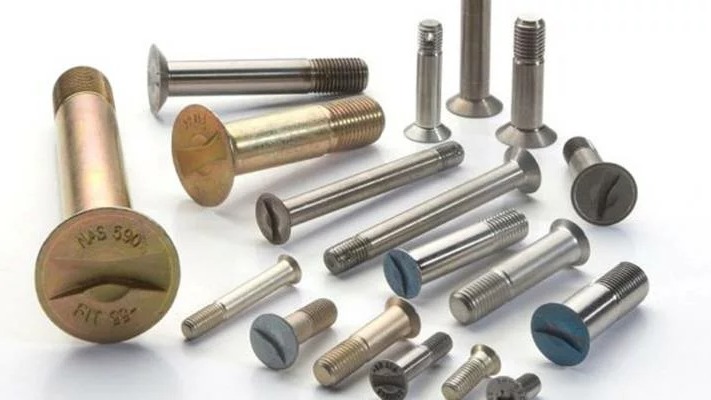
📌 Hint: For aircraft threaded fasteners, think of the device used for strong structural joining: the bolt.
✅ THE BOLTS.
Bolts are among the most commonly used threaded fastening devices on aircraft. They are used where strong, secure attachment is required, usually with nuts, washers, or other locking devices to prevent loosening during vibration.
Las explicaciones son para usuarios registrados.
DURING HOVERING FLIGHT IN A NO-WIND CONDITION, HOW IS THE TIP-PATH PLANE? REF.: AC 65-15A, PAGE 50.

📌 Hint: In a stable hover with no wind, the rotor disk stays level with the ground.
✅ HORIZONTAL, THIS IS PARALLEL TO THE GROUND.
During hovering flight in a no-wind condition, the tip-path plane is horizontal, meaning it is parallel to the ground.
This allows the rotor thrust to act mainly upward, balancing the helicopter’s weight and keeping it stationary over one point.
Las explicaciones son para usuarios registrados.
Los Exámenes Gratuitos muestran el 20% de las preguntas del examen oficial. Los usuarios con Cuenta Premium podrán acceder al listado completo de preguntas.
APPROVED MAINTENANCE DATA IS AUTOMATICALLY CONVALIDED BY DGAC? (13194) REF: DAN 43 PAGE A.2 PARAGRAPH 43.1?
📌 Hint: Focus on the documents that directly control the aircraft’s approved design and mandatory airworthiness compliance.
✅ TC – STC – AD.
The approved maintenance data automatically convalidated by the DGAC refers to technical approval documents directly related to the product’s airworthiness, such as the Type Certificate (TC), Supplemental Type Certificate (STC), and Airworthiness Directives (AD).
These documents are accepted because they define or modify the approved design and mandatory airworthiness conditions.
Las explicaciones son para usuarios registrados.
Aciertos
Fallos
Nota