
Elige una opción
Continuar como invitado
Los usuarios invitados solo tienen acceso a 2 test gratis y no podrán acceder a las explicaciones de las respuestas fallidas
Como usuario registrado
Los usuarios Registrados tienen acceso a 2 Test gratuitos y podrán ver explicaciones a las respuestas fallidas
Sólo los usuarios registrados pueden ver las explicaciones de las preguntas falladas. Registrarse es gratis.
Los mensajes de autorización de salida, D-ATIS, autorizaciones oceánicas, peso y balance y datos de despegue pueden transmitirse y recibirse en formato COMPANY si se verifican según procedimientos aprobados.
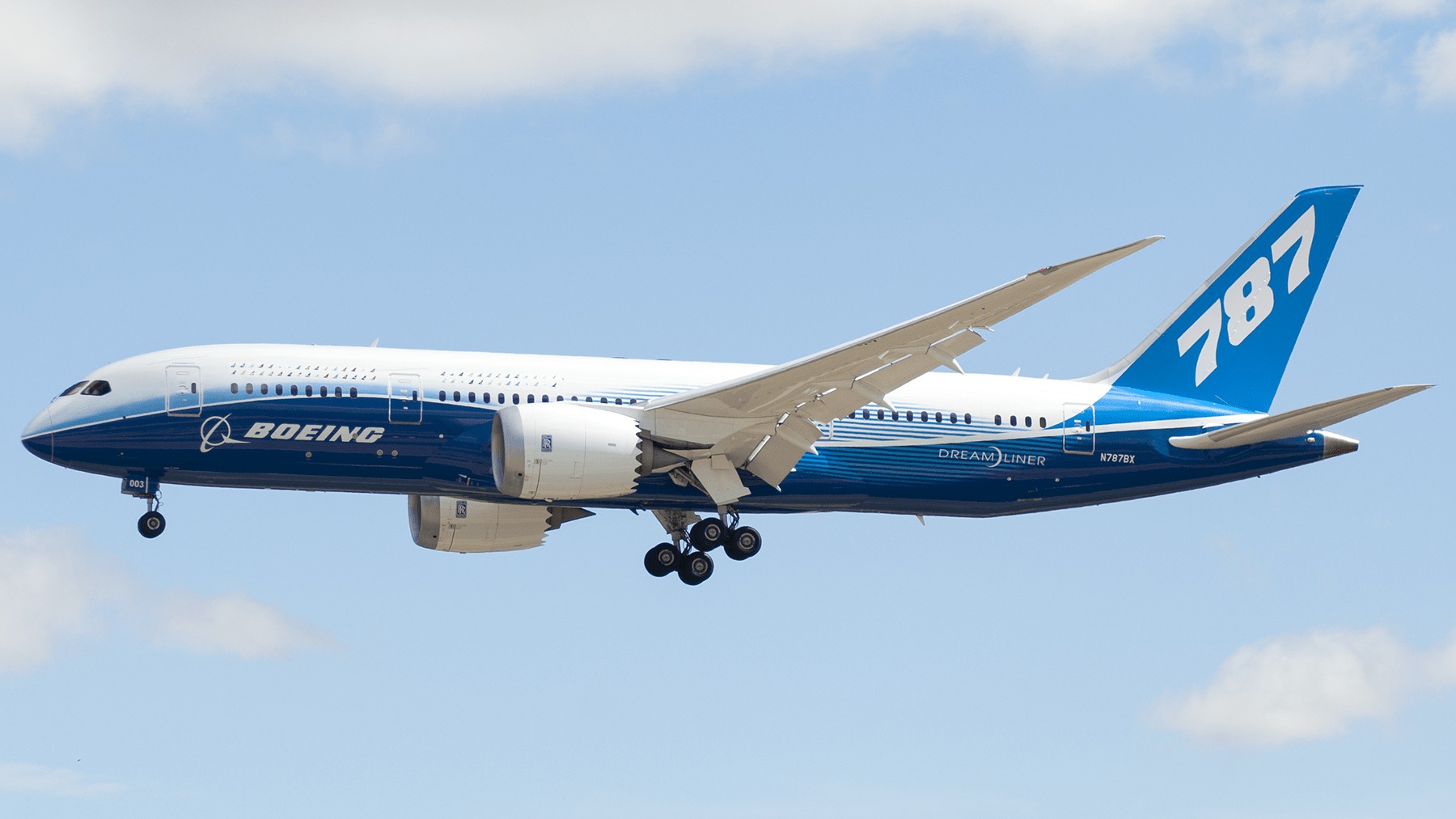
COMPANY = comunicaciones de cabina.
El sistema ACARS en formato COMPANY admite estos mensajes cuando se sigue la verificación procedural.
Las explicaciones son para usuarios registrados.
Cuando el interruptor de fuego del APU está en la posición IN (posición normal, bloqueado mecánicamente), se desbloquea automáticamente si hay advertencia de fuego. ¿Cuál de las siguientes afirmaciones NO es correcta respecto a los efectos de tirar el interruptor de fuego del APU a la posición OUT?
Bleed air se gestiona por otros sistemas.
Tirar el interruptor de fuego del APU no actúa sobre las válvulas de bleed; solo arma extintor, cierra fuel y la puerta de aire.
Las explicaciones son para usuarios registrados.
En caso de pérdida total de hidráulica, el estabilizador y dos pares de spoilers eléctricos permiten controlar pitch y roll con switches y yugo. Si también falla la señal de control, ¿cómo se controlan pitch y roll?
Direct wiring sobrev.
El diseño “runaway” provee canal directo desde switches alternativos y yugo a superficies para sobrevivencia.
Las explicaciones son para usuarios registrados.
 Oferta
El sistema de alivio de carga de flaps protege contra sobrecargas. Para evitar despliegue inadvertido en crucero, la extensión se inhibe >260 kt o >≈20 000 ft. Este inhibit solo está en modos primario.
Primary only.
Solo el modo primario implementa inhibit de flaps/slats en alta velocidad o altitud.
Las explicaciones son para usuarios registrados.
En modo reversion, el PFD con mini-map se ajusta a la mitad de la DU; la simbología conserva posición relativa.
Igual layout, mitad tamaño.
El modo reversion recorta el PFD pero mantiene layout y escalas consistentes.
Las explicaciones son para usuarios registrados.
El sistema EFIS/DSP display ofrece control alternativo de EFIS/ Display Select Panel. Se selecciona:
DSP = Display Select Panel.
El DSP key en la página CDU abre la interfaz DSP para control de displays.
Las explicaciones son para usuarios registrados.
Hay display expandido de FUEL QTY (izq, centro, der). ¿Cuál condición hace aparecer valores expandidos?

Cualquier operación balance/ground.
El display expandido se activa en tierra, o al operar o finalizar fuel balance.
Las explicaciones son para usuarios registrados.
El sistema jettison permite descarga de todos los tanques. Al finalizar, quedan al menos ____ kg en cada main tank.
3 500 kg reserva.
Boeing garantiza reserva mínima de 3 500 kg en cada tanque principal tras jettison.
Las explicaciones son para usuarios registrados.
El AOA limit symbol es similar al PLI del PFD, pero en el PFD el PLI se muestra relativo al símbolo del avión, no al Flight Path Vector.

Distintas referencias: avión vs senda.
El PLI en PFD se refiere al avión, mientras el HUD AOA limit se refiere al vector de senda.
Las explicaciones son para usuarios registrados.
El VSD range depende del rango del ND; en modo normal coincide salvo ND
Full = 2× rango.
El VSD full duplica el rango ND para visión extendida.
Las explicaciones son para usuarios registrados.
Si fallan dos FMC en vuelo:
Solo triple-fail drástico.
Con dos FMC operativos el switchover es seamless. Solo la falla de los tres FMC produce degradación completa según C.
Las explicaciones son para usuarios registrados.
En la página de referencia de despegue, al completar entradas de preflight:

Verde=> complete.
El diseño destaca el estado completo con fondo verde y texto blanco alineado en varias páginas.
Las explicaciones son para usuarios registrados.
Seleccionar ON en “Towing Power” activa la batería principal y enciende la luz de carga de la batería correspondiente.
ON = battery power.
ON configura el sistema de remolque alimentado por batería y muestra el estado de carga.
Las explicaciones son para usuarios registrados.
En el modo “Towing Power”, los sistemas de radio comunicación se alimentan con la batería principal.

Towing = ground safety, no comms.
El modo Towing Power energiza solo sistemas esenciales (iluminación, frenos, nose steering), pero no los radios de vuelo.
Las explicaciones son para usuarios registrados.
Airplane roll control is different in the secondary and direct flight control modes. The flight control system continues to receive and process pilot control inputs, however, it now uses simplified computations to generate flight control surface commands.
Las explicaciones son para usuarios registrados.
A disagree is detected when the flaps or slats do not move or move too slowly after a commanded input. If the flap or slat is operating in the primary mode, and the rate of motion is less than half the normal rate, an automatic transfer to the secondary mode occurs. The EICAS message FLAPS PRIMARY FAIL and/or SLATS PRIMARY FAIL is displayed. What happens if motion continues at less than half the normal rate?
Las explicaciones son para usuarios registrados.
Pushing the EICAS Transfer Switch:
Las explicaciones son para usuarios registrados.
Which of the following is true of the weather radar display when the WX+T (turbulence) prompt is selected on Weather Radar on the Tuning and Control Panel (TCP)?
Las explicaciones son para usuarios registrados.
The APU fuel consumed is displayed on Progress Page 2.
Las explicaciones son para usuarios registrados.
Cabin Temperature (CABIN TEMP) Control Provides automatic passenger cabin temperature control. Turning the control toward C or W sets the passenger cabin master reference temperature between 18° C and 30° C.
Las explicaciones son para usuarios registrados.
Aciertos
Fallos
Nota
Te faltan alternativas por marcar
Si envías igual, esas preguntas cuentan como error.
