
Elige una opción
Continuar como invitado
Los usuarios invitados solo tienen acceso a 3 test gratis y no podrán acceder a las explicaciones de las respuestas fallidas
Como usuario registrado
Los usuarios Registrados tienen acceso a 3 Test gratuitos y podrán ver explicaciones a las respuestas fallidas
Sólo los usuarios registrados pueden ver las explicaciones de las preguntas falladas. Registrarse es gratis.
Examen Diagnóstico para Nuevos Alumnos 4
Si es tu primer examen, prueba las preguntas más sencillas de la DGAC. ¡Toma confianza!
“El que transportare o hiciere transportar objetos peligrosos para la seguridad de la aeronave, sin cumplir con las disposiciones legales o reglamentarias, será castigado con presidio o reclusión menores es sus grados medio a máximo o multa de treinta a doscientos ingresos mínimos mensuales. En igual pena incurrirá quien ordenare emprender el vuelo y quien condujere la aeronave, con exceso de peso o mala distribución de la carga”. El texto anterior, esta publicado en:
📌 Pista: Si aparece presidio o multa, es norma legal, no procedimiento interno.
✅ Código Aeronáutico.
El texto describe penas (presidio/reclusión o multa) por transportar objetos peligrosos sin cumplir normas, y por ordenar/iniciar un vuelo con sobrepeso o mala estiba. Ese tipo de sanción penal se fija en el Código Aeronáutico, no en un DAN/DAR operativo.
Las explicaciones son para usuarios registrados.
El reglamento DAR-18 se refiere a:
📌 Pista: Asócialo a “Dangerous Goods” y a reglas para transportar sustancias/objetos peligrosos.
✅ Reglamento sin riesgo de mercancías peligrosas por vía aérea.
El DAR-18 regula el transporte seguro de mercancías peligrosas por vía aérea, alineado con las Instrucciones Técnicas (OACI 9284) y exigencias operacionales para evitar riesgos.
Las explicaciones son para usuarios registrados.
La diferencia de peso producida entre un MRW (Maximum Ramp Weight) y un MTOW (Maximum Takeoff Weight) corresponde a:
📌 Pista: Piensa en el tramo “puerta–pista”: ahí el avión se aligera sin despegar.
✅ Al combustible disponible a consumir durante el rodaje.
MRW es el peso máximo en plataforma (con combustible y todo listo). MTOW es el máximo al iniciar la carrera de despegue. La diferencia es el combustible que se quema en rodaje (taxi-out) antes de despegar.
Las explicaciones son para usuarios registrados.
Los Exámenes Gratuitos muestran el 20% de las preguntas del examen oficial. Los usuarios con Cuenta Premium podrán acceder al listado completo de preguntas.
DAR-51 corresponds to:
📌 Hint: If it’s about how violations are handled, think procedure/regime of infractions, not operations or dangerous goods.
✅ Regulations on Aviation Rules Violation procedures.
DAR-51 is the regulation that sets the aeronautical infringement (violation) procedure, meaning how violations are processed, investigated, and sanctioned under DGAC rules.
Las explicaciones son para usuarios registrados.
El Peso Operacional Vacío:
📌 Pista: “Operacional vacío” = listo para volar, pero sin combustible y sin payload.
✅ Es el Peso Básico Vacío del avión más el peso de la tripulación, su equipaje y otros ítems estándar (comida y agua potable).
El Peso Operacional Vacío (EOW) representa el avión “listo para operar” con ítems operacionales estándar, pero sin combustible utilizable ni carga de pago. Por eso incluye tripulación, equipaje de tripulación, catering/agua, etc.
Las explicaciones son para usuarios registrados.
Los Exámenes Gratuitos muestran el 20% de las preguntas del examen oficial. Los usuarios con Cuenta Premium podrán acceder al listado completo de preguntas.
Some of the problems caused by overloading an airplane are: a) Cruise speed will decrease. b) Service ceiling will be lower. c) Maneuverability will be reduced. d) Rate and angle of ascent will be reduced.
📌 Hint: More weight = less “performance margin” for speed, climb, and handling.
✅ All alternatives are correct.
Overloading increases required lift/drag and reduces excess power, so cruise speed decreases, service ceiling lowers, maneuverability reduces, and climb rate/angle decreases.
Las explicaciones son para usuarios registrados.
Maximum Zero Fuel Weight (MZFW): a) Es el peso máximo autorizado sin combustible (OEW + payload). b) Varía según condiciones climáticas de cada aeropuerto. c) Es un valor fijo dado por el fabricante.
📌 Pista: Si protege la estructura del ala/fuselaje, es un límite fijo.
✅ a) y c) son correctas.
El MZFW es el peso máximo sin combustible usable: Peso Operacional Vacío + Carga de Pago (a). Además, es un límite estructural fijo establecido por el fabricante (c). No depende del clima del aeropuerto; lo que varía con condiciones es el peso máximo operativo (p. ej., MTOW por performance), no el MZFW.
Las explicaciones son para usuarios registrados.
Los Exámenes Gratuitos muestran el 20% de las preguntas del examen oficial. Los usuarios con Cuenta Premium podrán acceder al listado completo de preguntas.
Uno de los más serios problemas causados por un CG muy adelantado (El CG hacia la nariz del avión) es la falta de suficiente autoridad del elevador.
📌 Pista: CG adelante = cuesta hacer nariz arriba.
✅ Verdadero.
Con el CG muy adelantado, aumenta la tendencia nariz-abajo y el elevador puede no tener autoridad suficiente para levantar la nariz, sobre todo en rotación y flare. Esto afecta directamente la seguridad.
Las explicaciones son para usuarios registrados.
La inspección y aprobación del Peso y Estiba de la aeronave, e impedir un mayor peso que el autorizado o una distribución del mismo contraría a las especificaciones técnicas, es obligación de:
📌 Pista: La obligación clave la tiene quien acepta o rechaza la aeronave “lista para despegar”.
✅ El Comandante de la Aeronave.
Aunque el Operador de Carga y Estiba prepara y calcula peso, estiba y CG, la responsabilidad final de inspeccionar, aprobar y no aceptar sobrepeso o mala distribución recae en el Comandante (PIC), porque es quien autoriza la operación segura del vuelo.
Las explicaciones son para usuarios registrados.
Los Exámenes Gratuitos muestran el 20% de las preguntas del examen oficial. Los usuarios con Cuenta Premium podrán acceder al listado completo de preguntas.
The improper distribution of the load may affect flight safety due to:
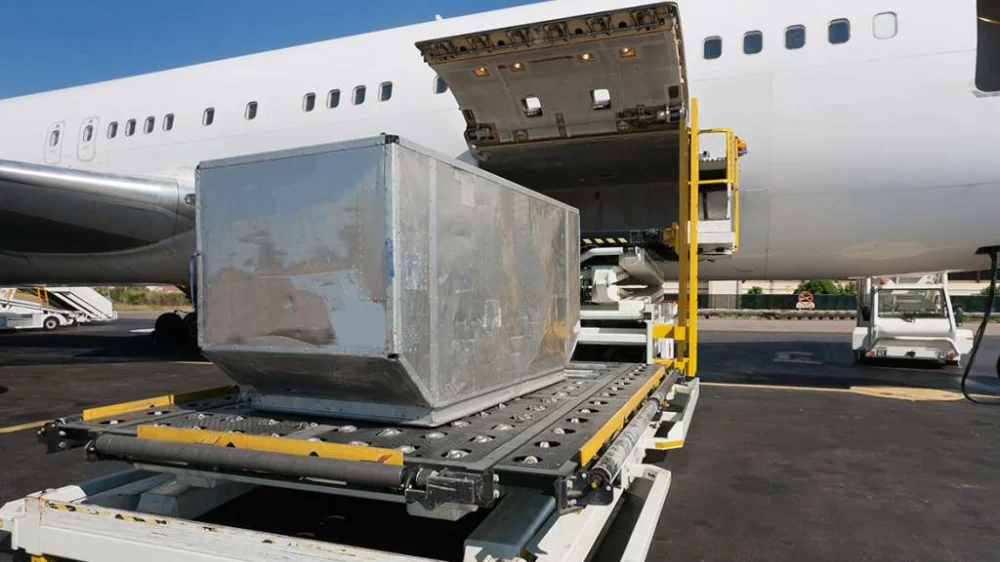
📌 Hint: Bad loading affects CG + speeds + distances (takeoff and landing).
✅ All above answers are correct.
Improper loading can push the CG outside limits, reducing stability and control (A). It can also raise stall speed and require longer takeoff run (B), and increase landing speed/distance (C).
Las explicaciones son para usuarios registrados.
Aciertos
Fallos
Nota