
Elige una opción
Continuar como invitado
Los usuarios invitados solo tienen acceso a 3 test gratis y no podrán acceder a las explicaciones de las respuestas fallidas
Como usuario registrado
Los usuarios Registrados tienen acceso a 3 Test gratuitos y podrán ver explicaciones a las respuestas fallidas
Sólo los usuarios registrados pueden ver las explicaciones de las preguntas falladas. Registrarse es gratis.
Examen Diagnóstico para Nuevos Alumnos 3
Si es tu primer examen, prueba las preguntas más sencillas de la DGAC. ¡Toma confianza!
“The person who transports or who directs other person to transport objects that are dangerous for the safety of the aircraft, without complying with law or regulations provisions will be penalized with imprisonment in its medium or maximum degrees or a fine equivalent to between thirty to two hundred minimum monthly wages. The same penalty shall be applied to the person who orders to initiate the flight and the person who pilots an aircraft with excess weight or a bad distribution of the load”:
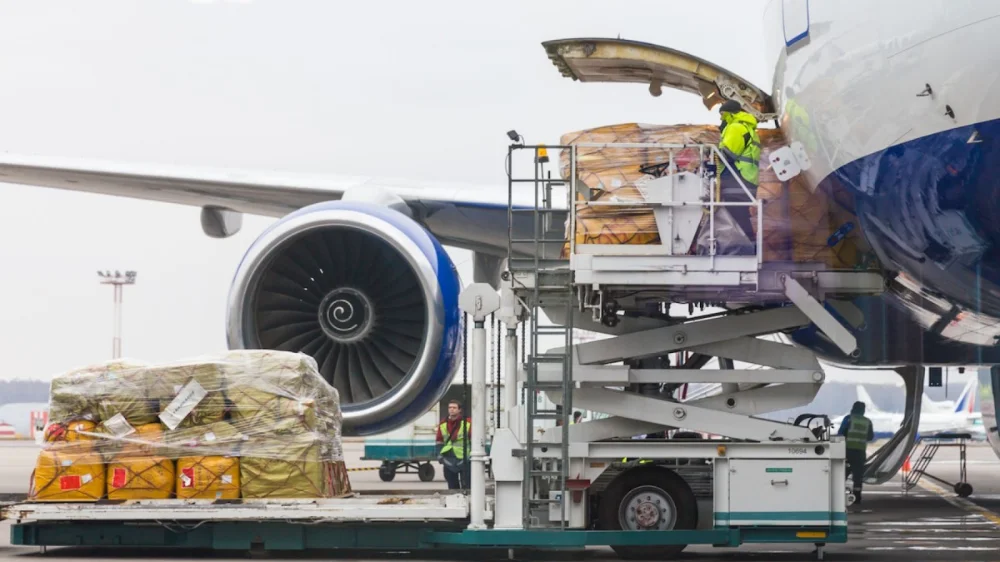
📌 Hint: If it mentions imprisonment/fines, it’s from the Code, not an operational rule (DAN) or a procedure regulation (DAR).
✅ Código Aeronáutico.
That text is Article 195 of Chile’s Aeronautical Code (Ley 18.916), which sets criminal penalties for transporting dangerous objects without complying with rules, and for ordering/operating a flight with overweight or improper load distribution.
Las explicaciones son para usuarios registrados.
Privileges of the Weight and Balance Operator are:

📌 Hint: Focus on “load control + CG” (not dispatch or route control).
✅ To direct load and unload works and make aircraft CG calculations.
The Weight & Balance (load control/trim) operator’s core privilege is supervising loading/unloading and preparing weight & balance / CG calculations for the flight.
Las explicaciones son para usuarios registrados.
Marshalling signals to be used by a signalman are published in:

📌 Hint: Look for the DGAC document that covers Rules of the Air + surface movement signals.
✅ DAN-91.
The marshalling (ground maneuver) signals used by a signalman are published in DAN-91, under the section “Señales para maniobras en tierra”.
Las explicaciones son para usuarios registrados.
Los Exámenes Gratuitos muestran el 20% de las preguntas del examen oficial. Los usuarios con Cuenta Premium podrán acceder al listado completo de preguntas.
La Información de Peso y Estiba de una aeronave establece que la MAC es desde las estaciones 144 a 206 y el CG está en 161. %MAC = (161–144)/ (206–144) ×100 ≈ 27,4%

📌 Pista: Primero calcula MAC (TE−LE) y luego (CG−LEMAC).
✅ 27,4%
La MAC es  . La distancia atrás del LEMAC es
  .
.

Las explicaciones son para usuarios registrados.
El Peso Operacional Básico (B.O.W.) contempla el Peso Vacío de un avión más el peso del combustible:

📌 Pista: Si dice “operacional vacío/básico”, piensa sin combustible.
✅ Falso.
El BOW (Basic Operational Weight) corresponde al avión en condición operacional básica (según definición del operador), pero no incluye combustible. El combustible se suma después para obtener Ramp/Takeoff Weight.
Las explicaciones son para usuarios registrados.
Los Exámenes Gratuitos muestran el 20% de las preguntas del examen oficial. Los usuarios con Cuenta Premium podrán acceder al listado completo de preguntas.
Fuel consumption in flight, including, sweptback wing airplanes, does not affect the CG position.

📌 Hint: If the fuel is not exactly at the CG, burning it shifts the balance point.
✅ False.
Burning fuel can change the CG, because fuel is stored at specific stations and its weight decreases during flight. Depending on tank location (wing, center, fuselage), CG may move forward or aft. Sweptback wings don’t eliminate this effect.
Las explicaciones son para usuarios registrados.
El punto donde se conjugan todos los pesos de una aeronave se llama:

📌 Pista: Es el “punto de equilibrio” donde el avión quedaría balanceado.
✅ Centro de gravedad.
El centro de gravedad (CG) es el punto donde se considera que actúa el peso total de la aeronave. Es clave para la estabilidad y el control.
Las explicaciones son para usuarios registrados.
Los Exámenes Gratuitos muestran el 20% de las preguntas del examen oficial. Los usuarios con Cuenta Premium podrán acceder al listado completo de preguntas.
The improper distribution of the load may affect flight safety due to:
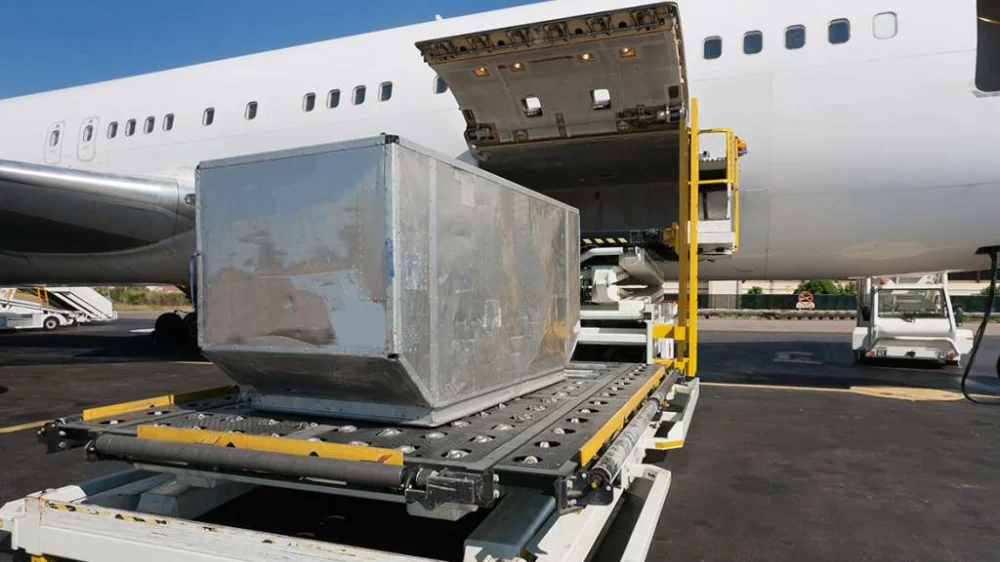
📌 Hint: Bad loading affects CG + speeds + distances (takeoff and landing).
✅ All above answers are correct.
Improper loading can push the CG outside limits, reducing stability and control (A). It can also raise stall speed and require longer takeoff run (B), and increase landing speed/distance (C).
Las explicaciones son para usuarios registrados.
Hablando de seguridad de vuelo podemos decir:

📌 Pista: La clave es el rango de CG: ni demasiado adelante ni demasiado atrás.
✅ El centro de gravedad debe estar dentro los límites anterior y posterior del centro de gravedad.
Para la seguridad de vuelo, el CG debe quedar dentro del rango permitido.
- Muy adelantado: puede faltar autoridad de elevador (difícil rotación/flare).
- Muy atrasado: baja estabilidad longitudinal y recuperación de pérdida puede complicarse.
Las explicaciones son para usuarios registrados.
Los Exámenes Gratuitos muestran el 20% de las preguntas del examen oficial. Los usuarios con Cuenta Premium podrán acceder al listado completo de preguntas.
La diferencia de peso producida entre un MRW (Maximum Ramp Weight) y un MTOW (Maximum Takeoff Weight) corresponde a:

📌 Pista: Piensa en el tramo “puerta–pista”: ahí el avión se aligera sin despegar.
✅ Al combustible disponible a consumir durante el rodaje.
MRW es el peso máximo en plataforma (con combustible y todo listo). MTOW es el máximo al iniciar la carrera de despegue. La diferencia es el combustible que se quema en rodaje (taxi-out) antes de despegar.
Las explicaciones son para usuarios registrados.
Aciertos
Fallos
Nota